Camp & Site Equipment
Plan the equipment for a campground or temporary outdoor site, from site functions and power to lighting, shelter and servicing.
Start with the job
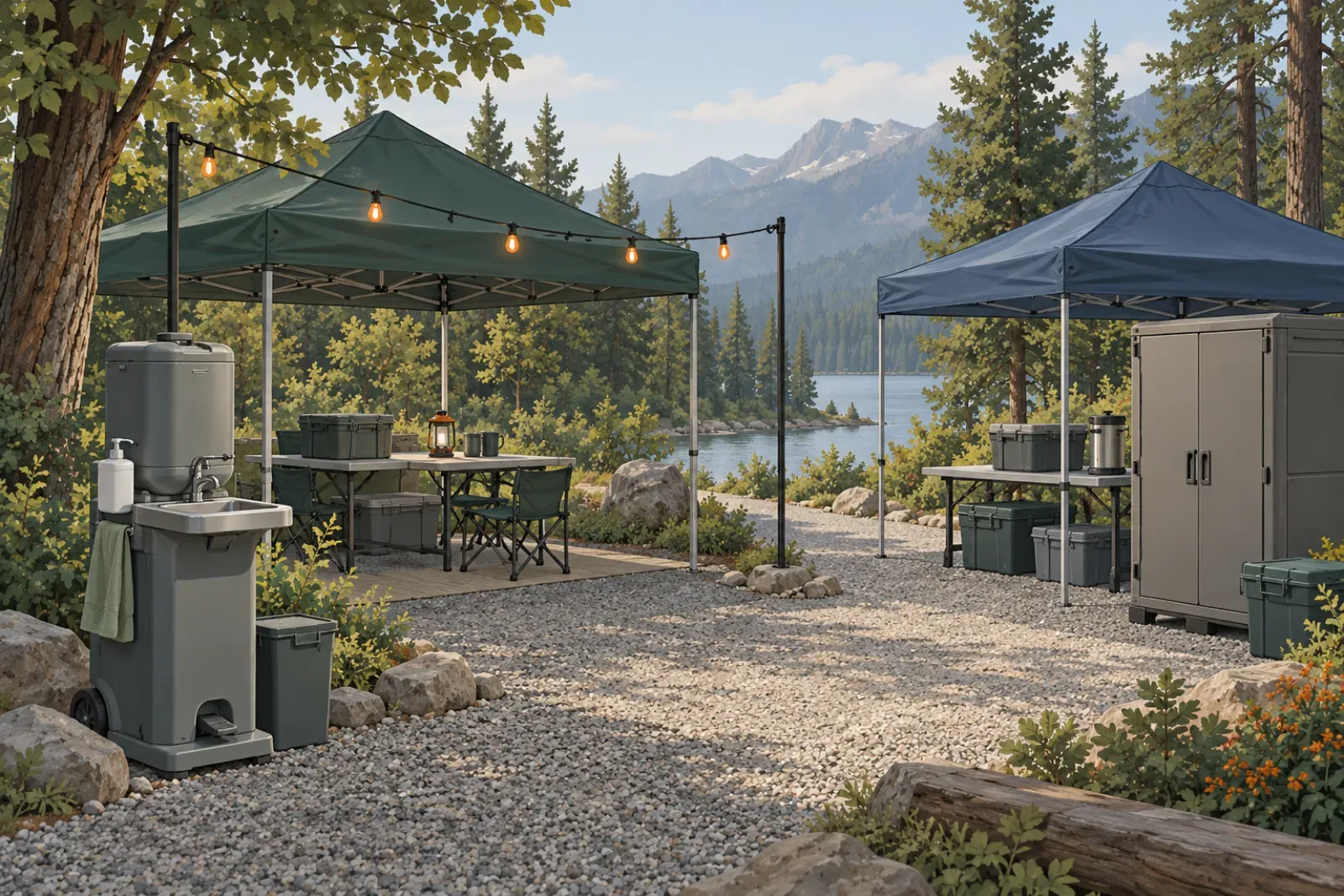
A camp or temporary site is a set of functions: shelter, food handling, hygiene, lighting, storage and power. Equipment decisions go wrong when someone buys items first and finds the functions later. This topic helps buyers, site managers, engineers and maintenance teams work in the other direction, from what the site must do to what it needs, and from there to documents a supplier can quote.
It is meant for campground operators, event and project site managers and anyone equipping a temporary outdoor location. It is a planning aid. It does not grant local approvals, and it does not prescribe quantities, because those depend on your site, season and guest numbers.
A reading path
The path has five steps, from the site plan to servicing.
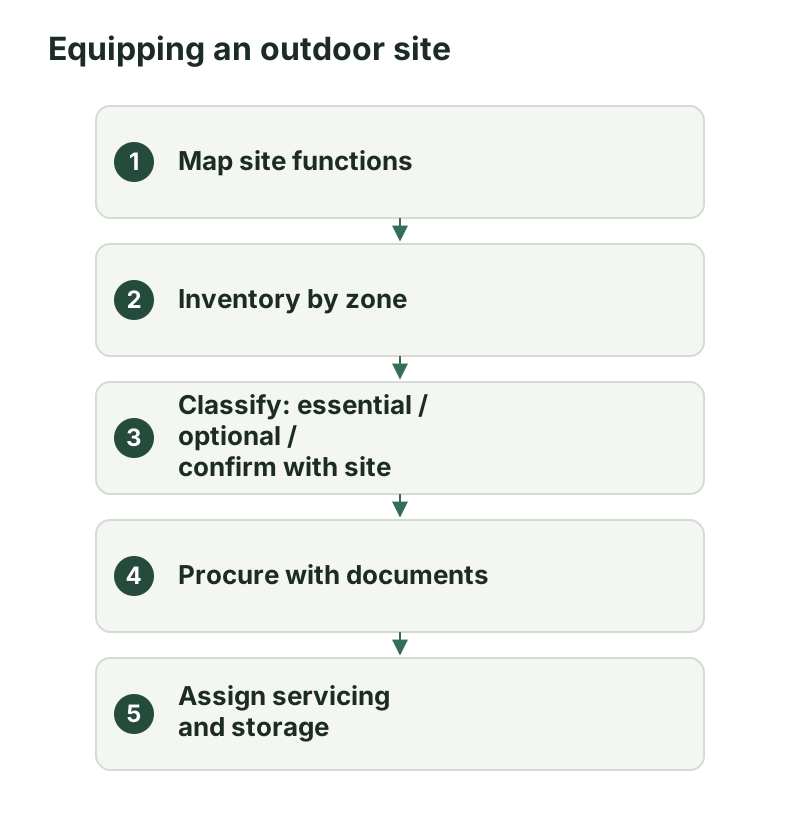
Begin with the site plan. The campground equipment checklist maps functions and users, builds an inventory by zone, and labels each item Essential, Optional or Confirm with site. It also assigns servicing and storage, which is where many plans are thin.
From the inventory, two cross-cutting needs usually appear. Power comes first, because lights, pumps and charging all draw from it. The power station sizing guide turns a load list into a comparison against a station’s published output and capacity. Lighting follows: the work light buying guide starts from the task and the area and compares published light output, power and mounting.
Once you know what you need, procure it with documents. The RFQ guide shows how to describe the application, quantities and conditions so suppliers quote the same thing. When quotes bring test reports, the test report checklist helps you read their scope. After delivery, the maintenance planning guide builds a schedule from the model manuals and records who does what.
Key terms and evidence
Function versus product category. Planning by function (arrival, pitches, shelter, sanitation, power and lighting, storage) exposes gaps that a product list hides. The checklist is organized this way.
Essential, optional and confirm with site. Essential items are needed for the site to operate, optional items add comfort or capacity, and “confirm with site” items depend on the land manager or local authority. Sorting them early stops budget being spent on items that may not be allowed.
Continuous output and energy. A station must carry the loads that run together and hold enough energy for the hours of use. The estimate is a planning figure with stated assumptions, not measured runtime. See the sizing guide.
Task-based lighting. Lumens describe total output and lux describes light arriving on a surface, so pathways, work areas and storage each need their own definition in the work light guide.
Servicing and storage. Equipment that has no named owner and no storage place is the equipment that fails first. The checklist asks for both.
Local rules. Electrical, fire and sanitation requirements vary by jurisdiction and land manager. The National Park Service camping pages are one public starting point for context on public lands, but they do not replace the rules of your own site.
Common mistakes
- Buying before mapping. A canopy or handwashing station chosen without users, water supply or servicing in mind often turns into a storage problem.
- Treating the plan as an approval. A checklist is not a permit. Confirm electrical, fire and sanitation rules with the people responsible.
- Sizing power from the first load list. Add the pumps, chargers and lights that the site plan introduces, then check startup surge.
- Lighting by lumen count. Compare the lighting need at each zone before comparing lights.
- Skipping the maintenance owner. Without a schedule and a record, seals, batteries and fabric wear quietly. The maintenance guide gives the structure.
How the guides divide the work
The planning page decides what the site needs. Selection pages compare equipment against the conditions of your site and do not name a universal winner. Buying pages turn the selection into documents, and checking pages test what comes back. Maintenance pages keep the equipment serviceable.
Camp equipment also leans on other topics. Portable power and lighting explains the supply and the lights in more depth, and protection claims on cabinets, boxes and enclosures are read the way the IP rating guide describes. Procurement and upkeep documents are gathered in buying and maintenance.
The evidence behind these guides is documentary: manufacturer manuals, published specifications and public agency material. SavvySkull does not test products, so no guide reports hands-on results.
Templates you can reuse
The checklists and templates page holds the tables that serve a site plan. The campground equipment inventory lists what a site needs and tracks what is specified and bought. The power station sizing worksheet and the work light comparison sheet handle supply and light, and the RFQ template fields and maintenance plan template cover purchase and servicing.
Common tasks
Plan campground equipment
Map site functions and build an inventory that separates essential and optional items.
Start with: Campground Equipment Planning: Building a Procurement Checklist
Power the site
Estimate loads and compare them with a power station's published specifications.
Start with: How to Size a Portable Power Station for Outdoor Work
Light the site
Define each lighting task and compare work lights against it.
Start with: Portable Work Lights: A Buying Guide for Outdoor Teams
Plan the site
Start from what the site must do and who uses it.
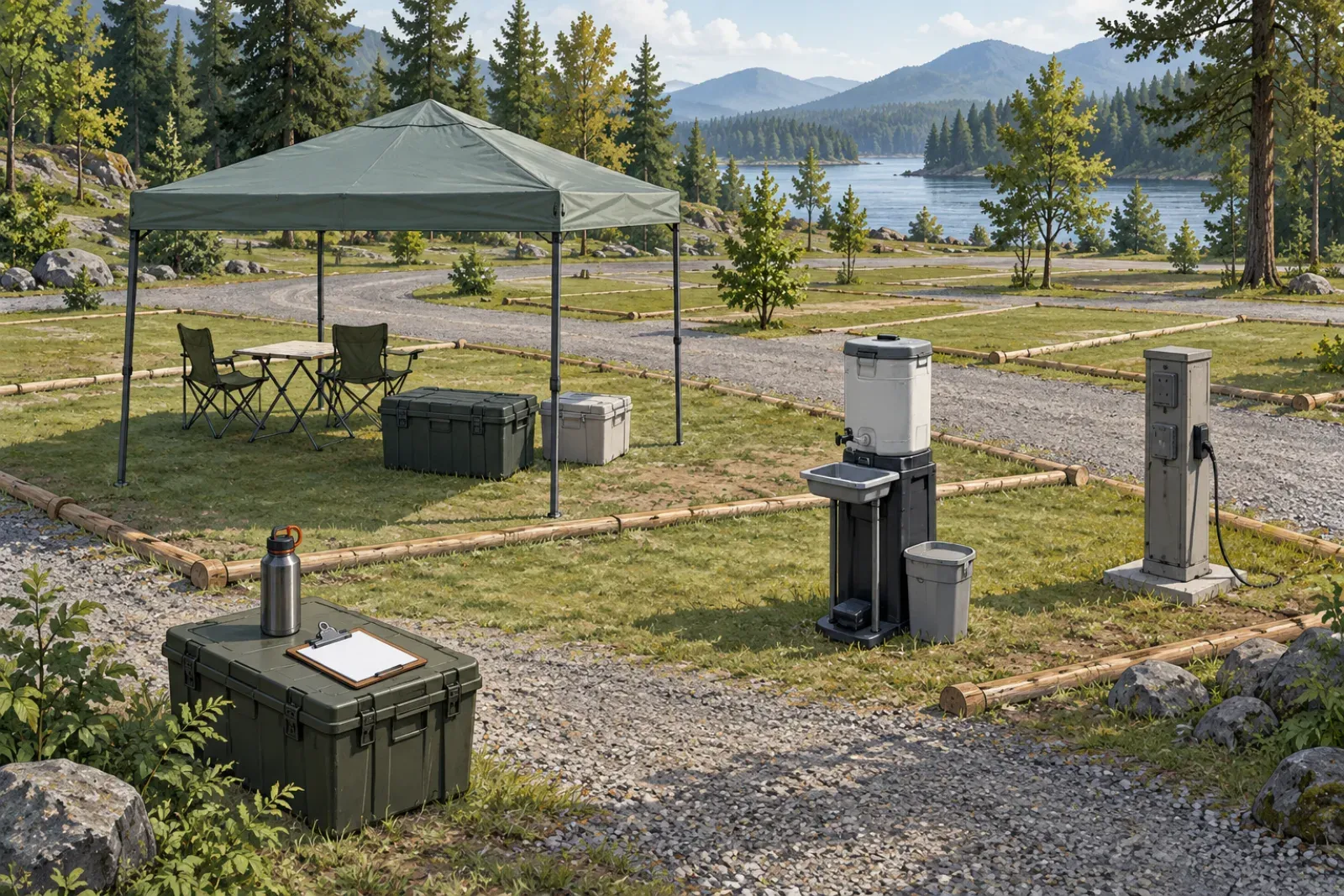
Campground Equipment Planning: Building a Procurement Checklist
Plan campground equipment by function: map zones and users, classify items as essential, optional or site-dependent, assign servicing, and build a procurement plan.
Power, light and maintain
Supply and service the equipment you have chosen.
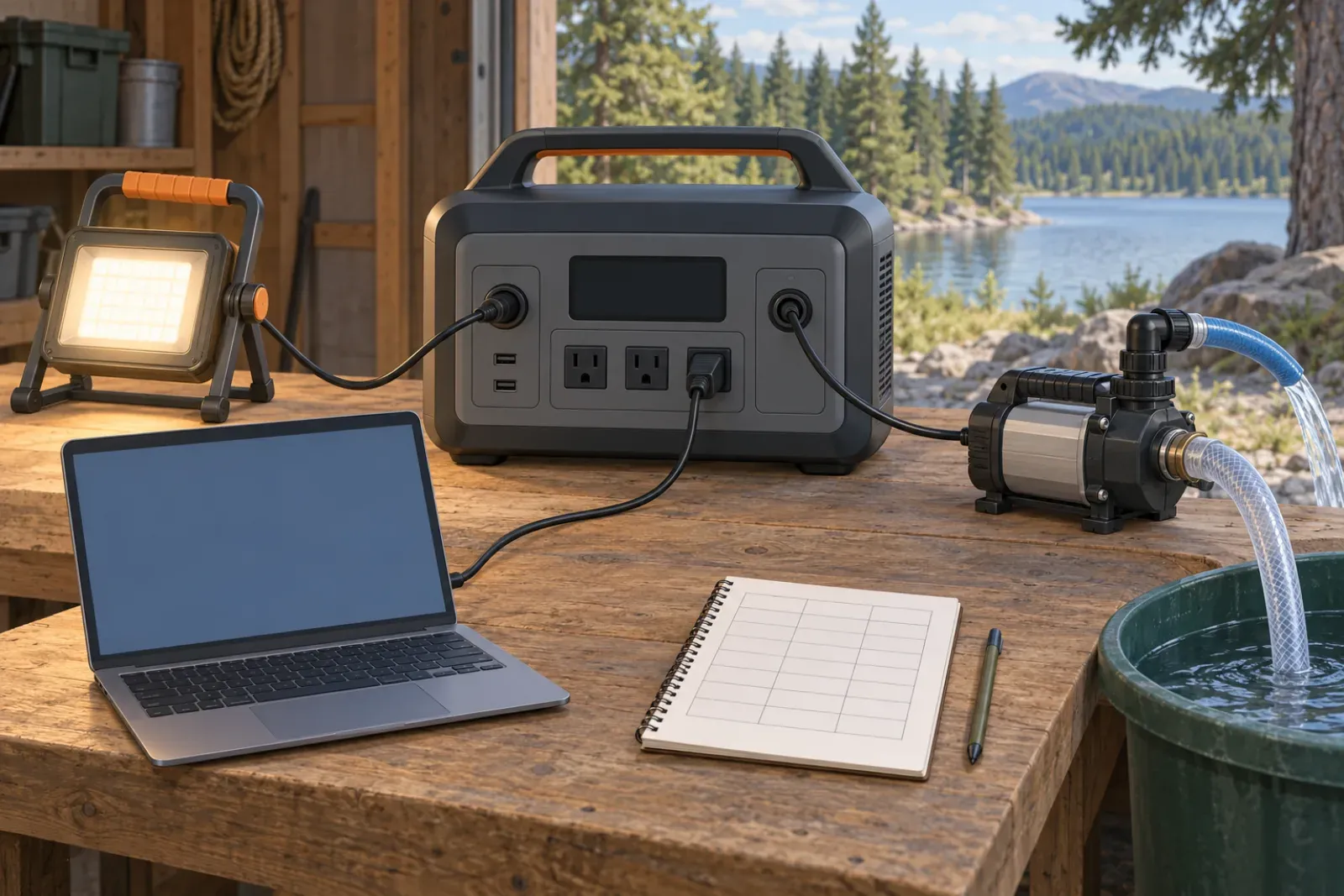
How to Size a Portable Power Station for Outdoor Work
Size a portable power station for outdoor work: list loads, check continuous and surge watts, estimate watt-hours with stated assumptions, and verify charging.
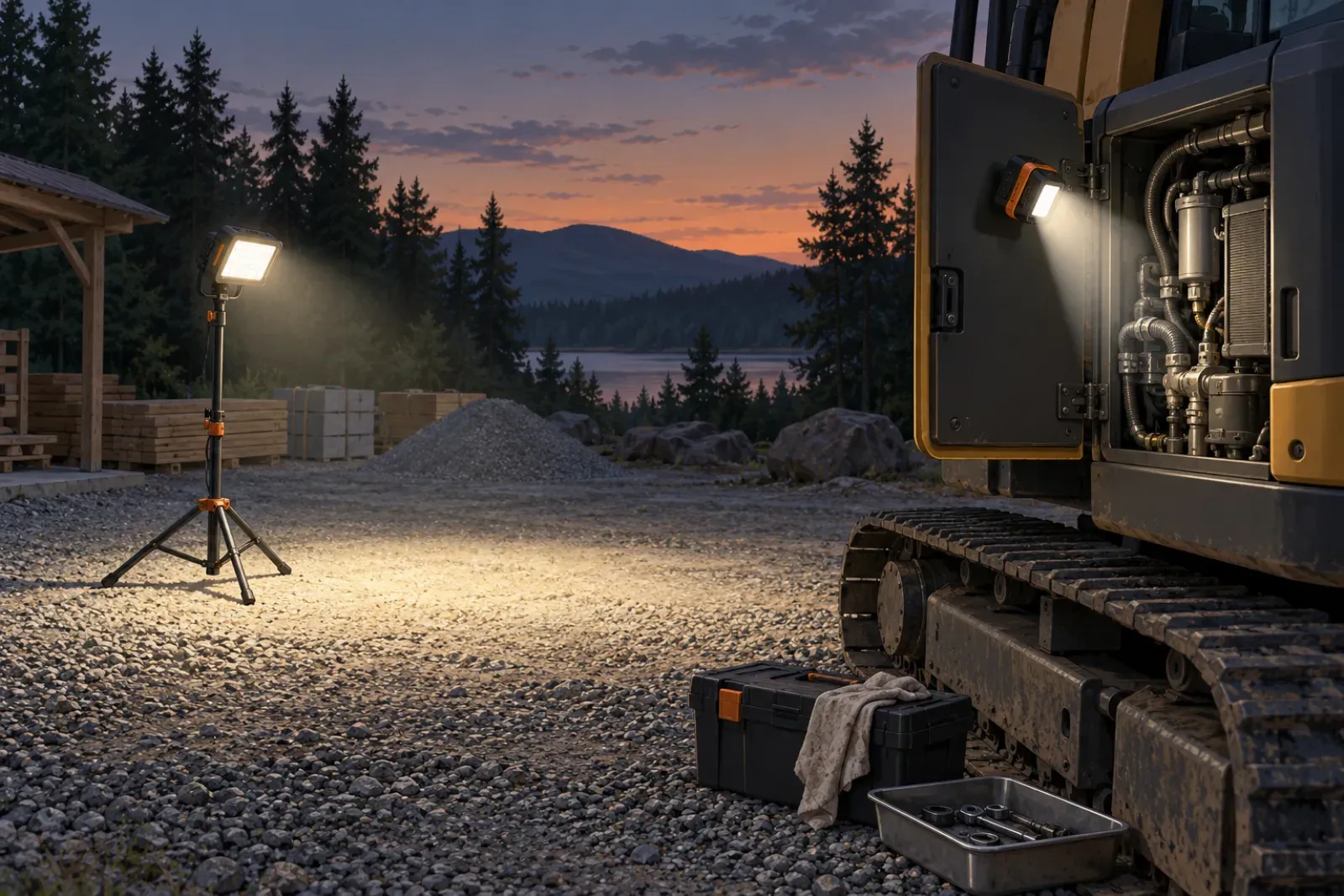
Portable Work Lights: A Buying Guide for Outdoor Teams
How outdoor teams can compare portable work lights: lumens vs lux, beam pattern, runtime claims, mounting, protection ratings, plus a supplier comparison sheet.
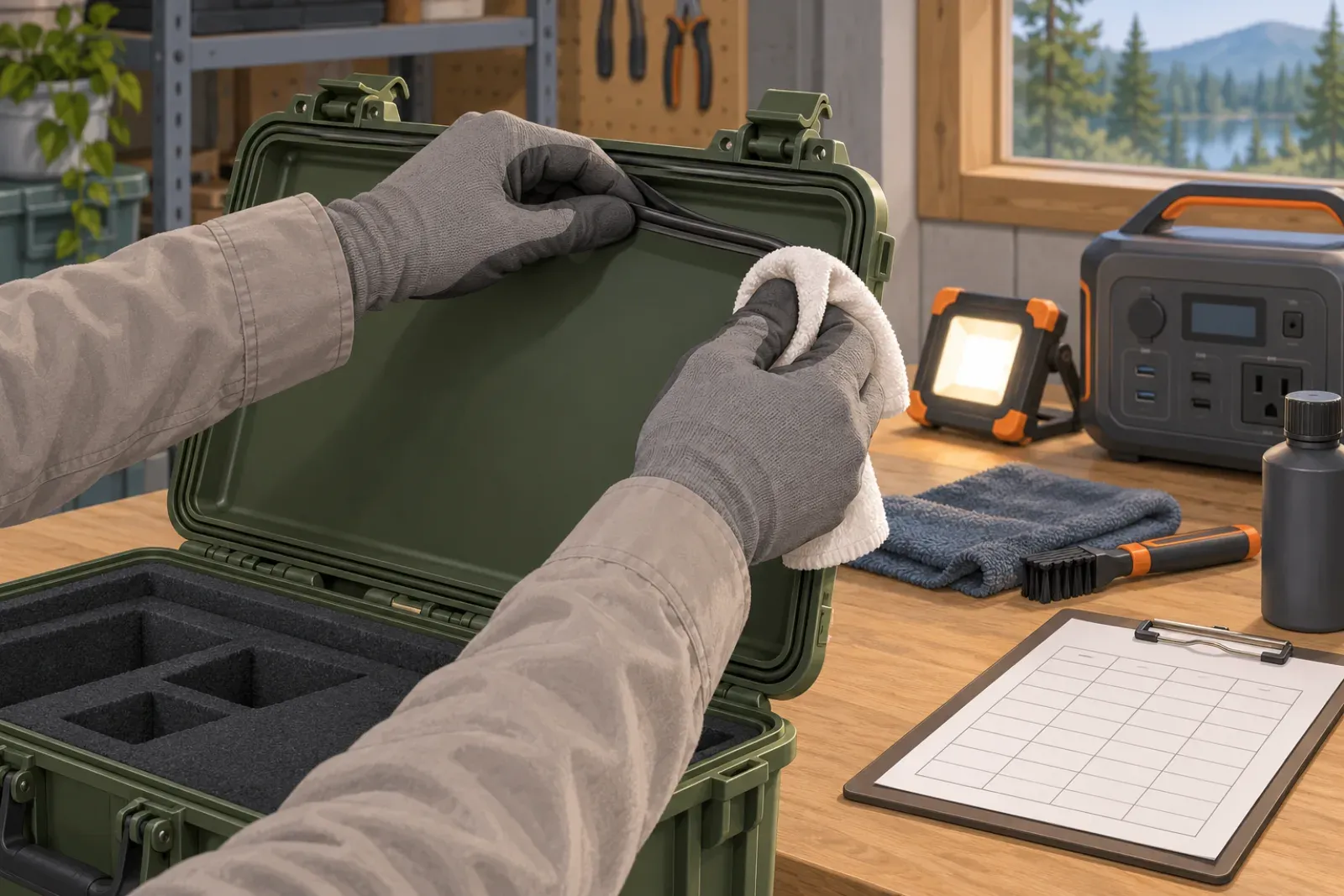
Outdoor Equipment Maintenance: Building a Practical Schedule
Build an outdoor equipment maintenance schedule from model manuals: equipment register, trigger types, task types, roles, records, and a downloadable template.
All guides in Camp & Site Equipment
Scope
This topic covers equipment planning and selection for campgrounds, temporary camps and outdoor sites. It does not rank products as the best without real tests, and it does not cover military or tactical camps. Electrical, fire and sanitation rules differ by location and must be checked locally, and a planning template is not a local approval. Sources are manufacturer manuals, published specifications and public agency material, listed on each guide.