Equipment Cases & Protection
Decide how to protect and transport field equipment by reading protection claims, specifying a case and verifying the evidence behind it.
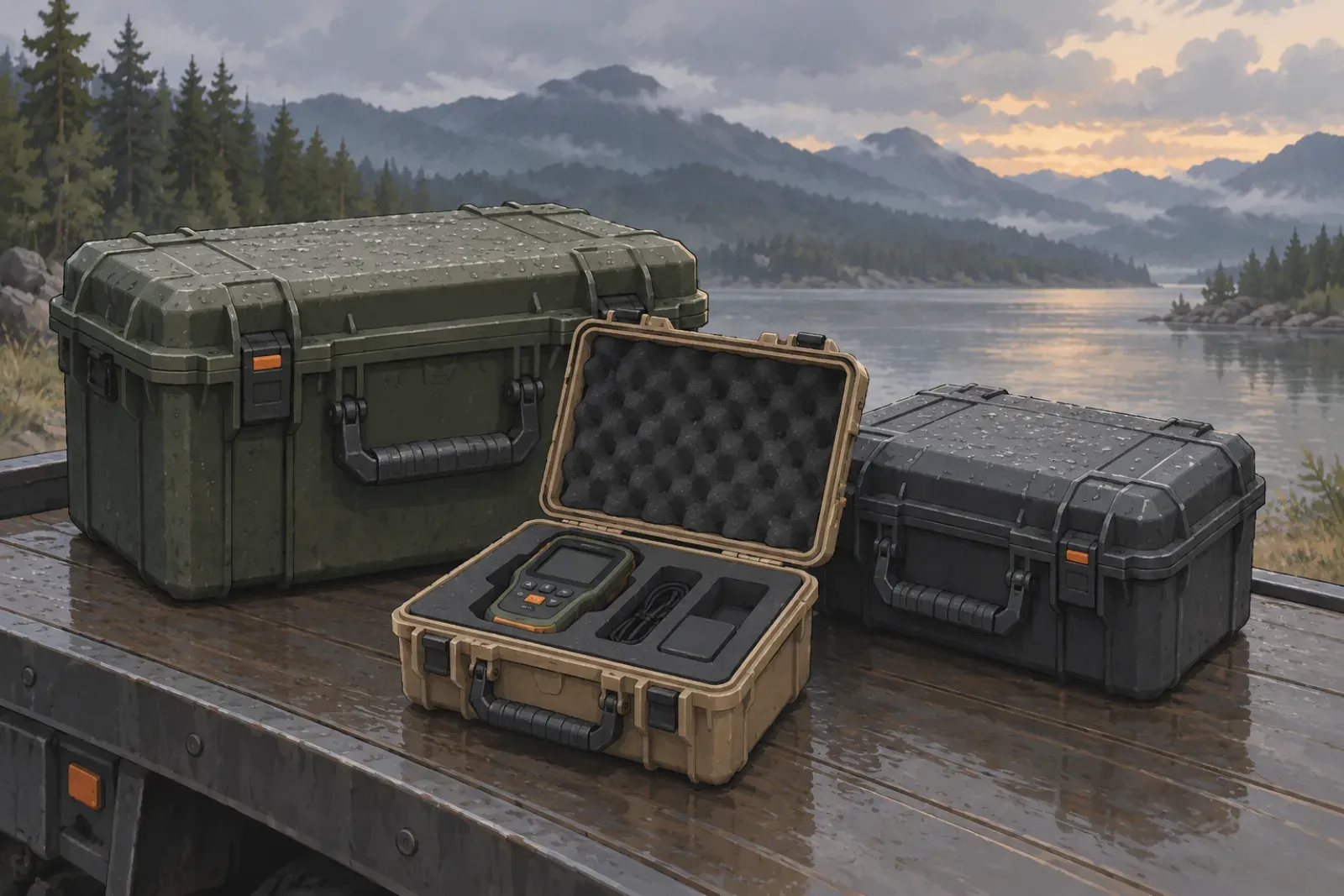
Start with the job
Cases protect equipment between the warehouse and the work area, and the claims printed on them are easy to misread. This topic helps buyers, site managers, engineers and maintenance teams decide what a case has to do, read the protection claims on offer and confirm the evidence before an order is placed. It suits anyone who moves instruments, tools, batteries or electronics to outdoor locations and cannot afford to find out in the field that a claim did not apply.
The central idea is that a case is chosen by what you can verify, not by the word “waterproof.” The guides start from the equipment and the conditions it will meet, then ask which documents support each claim.
A reading path
The path below runs from the claim to the final inspection. Follow it in order the first time and use single steps afterwards.
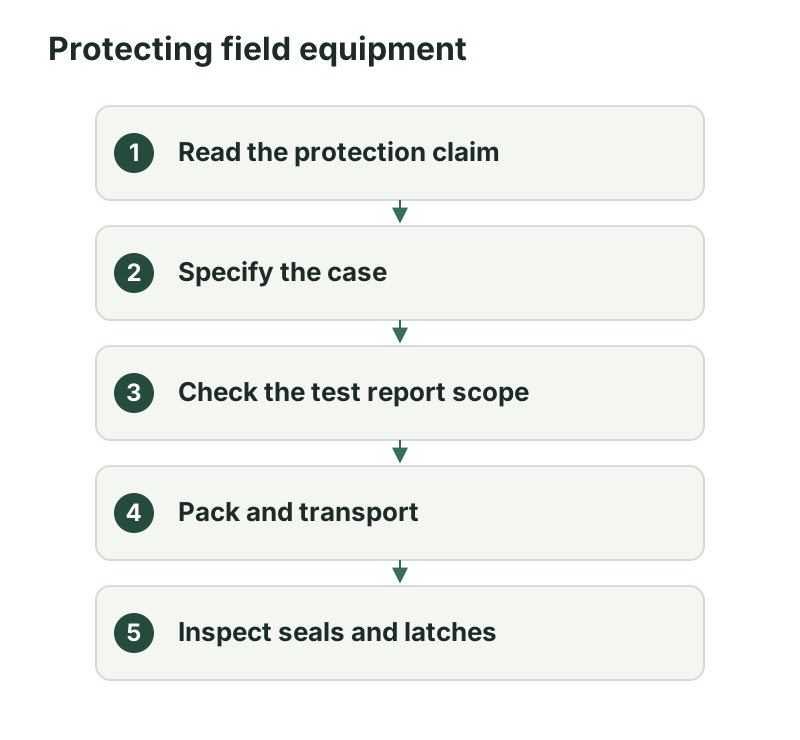
Start with the claim, not the case. The IP rating guide shows how to find the exact claim, identify the standard and the tested model, and separate a component’s rating from a whole product’s rating. Reading that first makes every later comparison cleaner.
Next, turn the equipment into a specification. The waterproof case checklist starts by measuring the equipment with its accessories and the access you need, then reviews seals, closures, pressure-equalization valves and spare parts. Third, check the evidence. The test report checklist helps you match a report to the model, sample, date and test scope. When you write the request, the RFQ guide shows where to ask for those reports in the quotation.
The last two steps happen after delivery. Packing and handover are about recording what leaves with the case and in what condition. Inspection of seals, latches and gaskets belongs in the maintenance planning guide, which builds a schedule from the manufacturer’s instructions for your model.
Key terms and evidence
IP code digits. The first digit refers to solid objects and the second to water, each tested in defined laboratory conditions. The code is not a promise of field performance. See the IP rating guide.
Configuration and tested sample. A rating applies to a particular size and configuration of a new sample with covers and ports closed as specified. Ask which variant was tested and whether a valve was fitted.
Component versus product claims. A rating on a battery pack does not extend to its charger, connectors or open ports. The same logic applies to a case insert or accessory.
Test report versus certification. A report, a certification, a listing and a declaration are different documents. The test report checklist shows how to identify which one you hold and who issued it.
Seals, closures and replaceability. Gaskets or O-rings, grooves, latches and hinges wear. A case that cannot have its seal replaced has a limited service life, which the case checklist asks you to confirm.
Limits of the evidence. An IP code says nothing about UV, corrosion, temperature cycling, condensation, seal aging, impact or cleaning chemicals.
Common mistakes
- Reading “waterproof” as a rating. Ask for the exact code, the standard edition and the tested model.
- Applying a report to a different size. Reports cover specific configurations, so match identifiers before you rely on one.
- Choosing by outside dimensions. Measure the equipment, accessories and the access you need against interior dimensions, lid depth and foam clearance.
- Forgetting upkeep. A seal that is never inspected is a claim that expires quietly. Add event triggers such as immersion, transport and storage to the maintenance plan.
- Leaving evidence out of the request. If reports and documents are not requested in the RFQ, they usually are not supplied.
How the guides divide the work
Explanation pages tell you how to read a claim. Selection pages compare cases against your conditions, such as how often the case is opened or how it is carried, and do not name a universal winner. Checking pages cover what to ask a supplier for and how to read what comes back. Maintenance pages keep the case serviceable.
Cases rarely travel alone. The equipment inside often runs on batteries, so power and lighting covers how to size and compare them, and light housings carry their own claims, which the work light buying guide reads in the same way. Procurement documents and supplier checks are gathered in buying and maintenance.
The evidence behind these guides is documentary: standards information, manufacturer drawings, manuals and published test documentation. SavvySkull does not run drop, water or impact tests, and a case is never described as proven against a condition its documents do not cover.
Templates you can reuse
On the checklists and templates page, the IP claim check table records what a claim covers and what evidence supports it. The waterproof case procurement checklist turns your measurements and requirements into a specification. The test report verification record logs what a report covers and whether it matches the product, and the RFQ template fields and maintenance plan template carry the requirements into purchase and upkeep.
Common tasks
Read an IP claim
Find the exact rating, the tested model and the limits of the evidence.
Start with: IP Ratings for Outdoor Equipment: How to Read Protection Claims
Specify a waterproof case
Measure the equipment, review seals and closures, and build a procurement checklist.
Start with: Choosing a Waterproof Equipment Case: A Procurement Checklist
Check the test report
Match a supplier's report to the model, scope and conditions on offer.
Start with: How to Check an Equipment Supplier’s Test Report
Understand protection claims
Learn what a rating does and does not say.
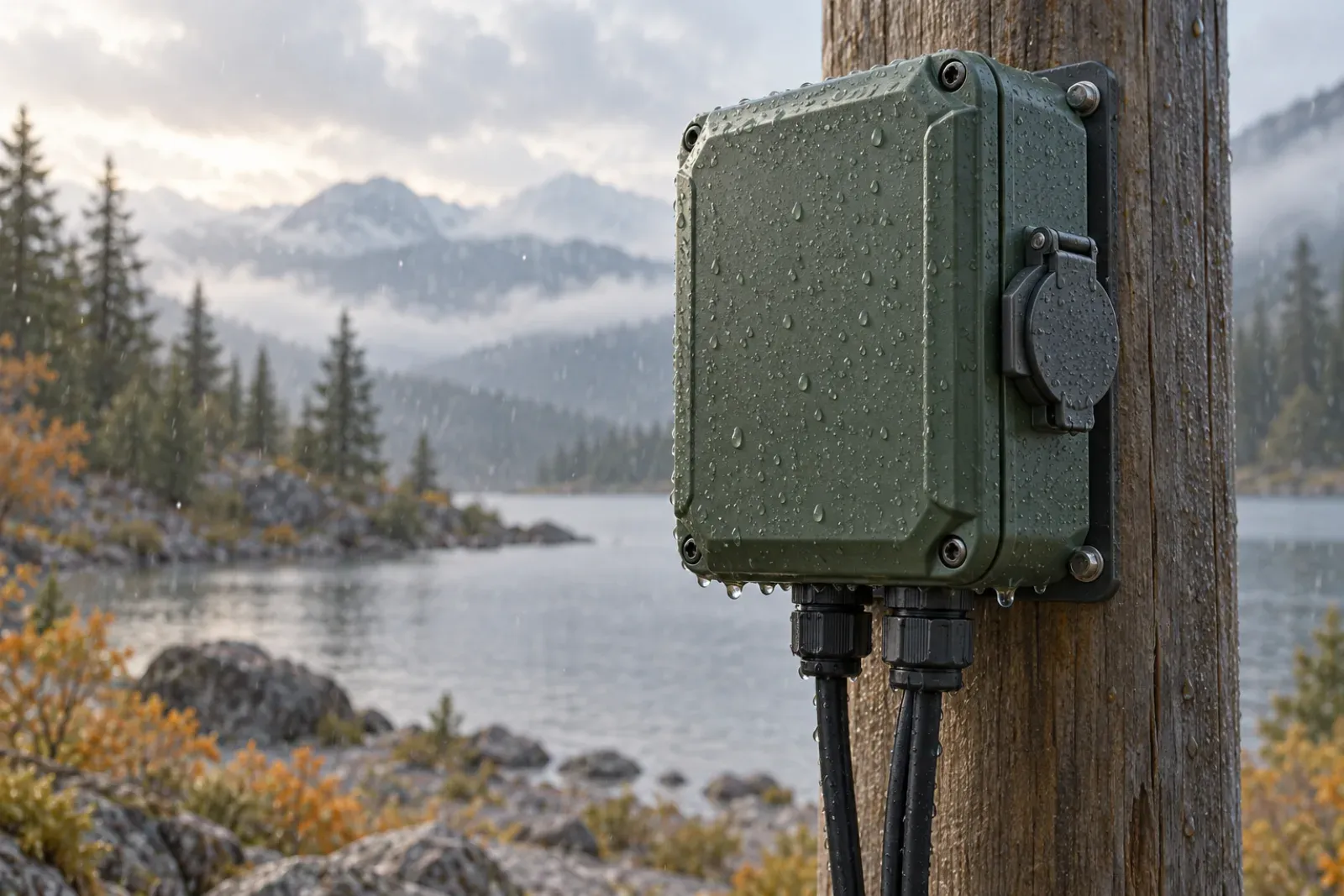
IP Ratings for Outdoor Equipment: How to Read Protection Claims
How to read an IP rating on outdoor equipment: the code structure, the cited standard, the tested configuration, and the questions to ask before deployment.
Select and compare cases
Move from the equipment's dimensions to a case specification.
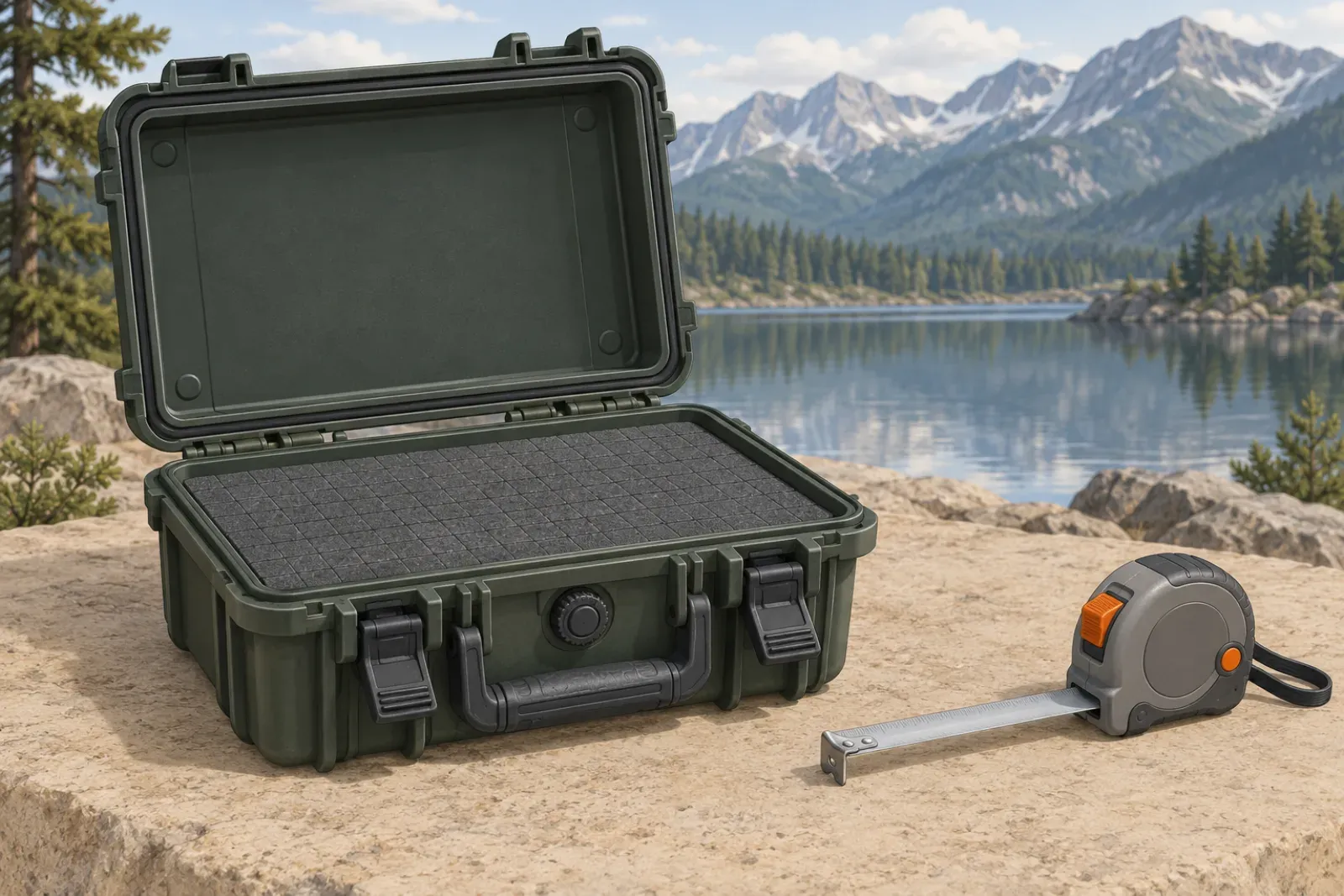
Choosing a Waterproof Equipment Case: A Procurement Checklist
A procurement checklist for waterproof equipment cases: dimensions, seals, latches, valves, rating claims, test report scope, spares and maintenance documents.
Transport and verify
Pack for transit and check the paperwork behind the claims.
How to Check an Equipment Supplier’s Test Report
How to check a supplier's equipment test report: document type, issuer, model and sample match, scope, conclusions, accreditation, plus a downloadable record.
All guides in Cases & Protection
Scope
This topic covers protective cases, protection ratings and transport preparation for field equipment. It does not rank cases as the best without same-condition tests, and it does not cover military or tactical gear. Transport rules, including those for batteries, must be checked against the applicable official sources, and no guide here grants a safety approval. Sources are standards bodies, manufacturer documentation and supplier reports, each listed on the guide that uses it.